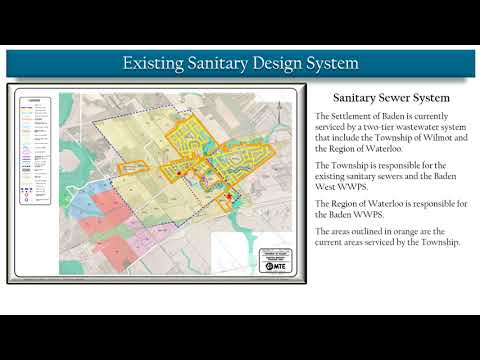
Project Details
The 2023, MTE was retained to complete the preliminary design, final design, coordinate all related project needs, tendering, contract administration/inspection, project closeout for the Baden Sanitary Trunk Sewer located the Township of Wilmot.
In 2024, Steed and Evans was retained to complete construction.
The Township of Wilmot intends to decommission the Charlotta Street (Baden West Pump Station) sanitary pumping station and redirect the flows via the proposed sanitary trunk sewer alignment #5 as this was the preferred alternative identified in PIC#2.
The work is anticipated to include multiple trenchless installations of the trunk sewer, trenchless crossing of the CNR corridor, the upgrade of existing underground services, and surface work reinstatement to current standards along Christian Street.
This will involve partial and/or full road reconstruction of notable road corridors indicated within this request for proposal, as well as construction and restoration through agricultural field lands.
Timing
The construction for this project will be completed in phases.
Phase 1 - Complete
Phase 1 was finished in August 2025 and included:
- Foundry St. from 1044 Foundry St. to the Gingerich Rd. and Foundry St. intersection
- Baden Creek bypass and culvert works
- Trunk Sanitary through field from Gingerich Rd. to CNR ROW south of Charlotta St.
Phase 2 - Starting May 18
Phase 2 of the Baden Sanitary Trunk Sewer project follows the Environmental Assessment completed in November 2022. For full details on the assessment, please refer to the Phase 1 on the Engage site. This phase involves the installation of a new trunk sanitary sewer using microtunneling technology. The alignment will follow Christian Street and a portion of Charlotta Street, beginning at Snyder’s Road West and terminating just south of the existing CN railway corridor, where it will connect to the Phase 1 infrastructure.
The primary objective of this project is to support both current and future growth within the settlement of Baden. It will enhance the Township’s sanitary servicing capacity while optimizing existing infrastructure assets in the area. Microtunneling has been selected as the construction method to minimize disruption to vehicular traffic and pedestrian movement, ensuring a safer and more efficient construction process.
Microtunneling is a trenchless construction method that employs a remotely operated tunnel boring machine to install pipe segments underground with high precision. It is particularly advantageous for deep installations, as it eliminates the need for extensive open trench excavation, which can be disruptive, costly, and pose safety challenges. By avoiding deep excavation, microtunneling minimizes surface impacts, reduces interference with existing utilities and roadways, and enhances overall construction efficiency, making it an ideal solution for urban environments and complex infrastructure corridors.
The Township is hosting an Open House/Public Information Centre for Phase 2 on March 5, 2026 from 6 to 8 pm at the Wilmot Township Administration Complex (60 Snyder's Rd. W, Baden)
Attendees can review the project design, construction staging and timelines, ask questions and share feedback.
The event will also include:
Overview of the Phase 2 trunk sewer alignment
- Explanation of microtunneling and construction methods
- Traffic and access considerations during construction
- Project schedule and next steps
Notices about the Open House/PIC have been delivered to affected residents. View a copy of the notice.
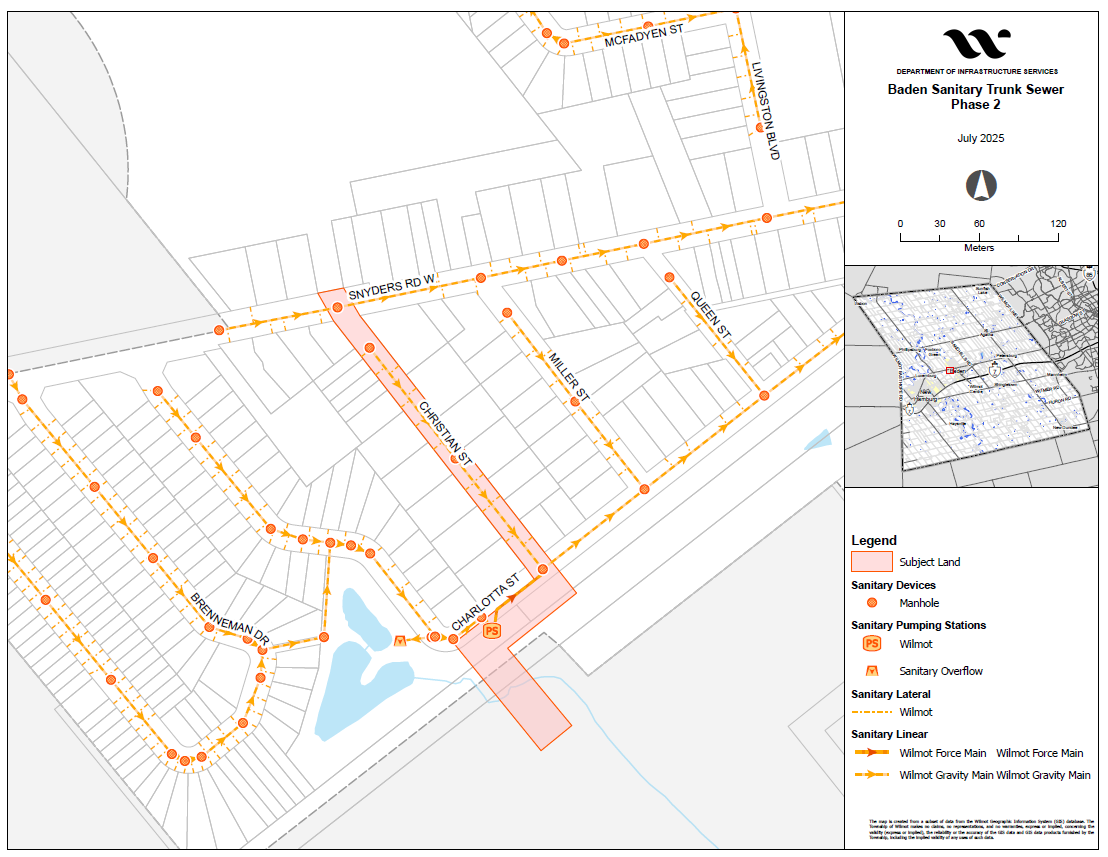
Baden Trunk Sanitary Sewer Phase 2 Map
Environmental Assessment
The Environmental Assessment (EA) process provided ample opportunity for public participation including dialogue between parties with differing interests. The objectives of the EA included:
- Protection of the environment through the wise management of resources (as defined in the Environmental Assessment Act). This goal was met through an understanding of existing conditions, extensive consultation with all affected and interested parties, monitoring, and mitigation.
- Minimal disruption during construction to existing residents, farms, and commuters that rely on these roadways/intersections.
- Participation of a broad range of stakeholders in the study process to allow for sharing of ideas, education, testing/analysis of solutions including consideration of alternatives.
- Documentation of the study process in compliance with all phases of the Municipal Class EA process and the Planning Act.
Videos
First Virtual Public Information Center (PIC)
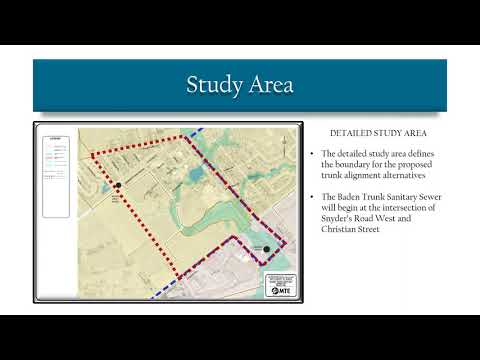
Second Virtual Public Information Centre (PIC)